E-Learning Platforms Transforming Education: A Human-Centric Revolution

E-learning platforms have transformed the educational landscape, offering accessible, flexible, and cost-effective learning solutions. From gamified language apps like Duolingo to comprehensive platforms like Byju's and Khan Academy, digital education caters to diverse learning needs. While challenges like the digital divide persist, innovations in AI and VR promise a more personalized and immersive learning experience. Embracing e-learning is not just about adapting to technology—it's about reimagining education for a more inclusive and engaging future.
Powered by Froala Editor
The New Classroom Without Walls
Remember the days when learning meant sitting in a classroom, scribbling notes from a chalkboard, and flipping through heavy textbooks? Fast forward to today, and education has undergone a seismic shift. E-learning platforms have not just entered the scene—they've taken center stage, redefining how we acquire knowledge.
From virtual classrooms to AI-powered tutors, the educational landscape is evolving at an unprecedented pace. But what does this mean for students, teachers, and lifelong learners? Let's dive into the transformative world of e-learning and explore how it's reshaping education as we know it.
The Rise of E-Learning: More Than Just a Trend
Accessibility and Flexibility: Learning on Your Terms
One of the most significant advantages of e-learning is its accessibility. Whether you're in a bustling city or a remote village, all you need is an internet connection to access a wealth of knowledge. Platforms like Coursera and edX offer courses from top universities, making quality education more attainable than ever.
Flexibility is another game-changer. E-learning allows learners to study at their own pace, fitting education into their unique schedules. This is especially beneficial for working professionals, parents, or anyone juggling multiple responsibilities.
Cost-Effectiveness: Quality Education Without the Hefty Price Tag
Traditional education often comes with significant expenses—tuition fees, commuting costs, and accommodation, to name a few. E-learning platforms, on the other hand, offer many courses for free or at a fraction of the cost. This democratization of education ensures that financial constraints are less of a barrier to learning.
Real-World Examples: E-Learning in Action
Duolingo: Gamifying Language Learning
Duolingo has revolutionized language learning by turning it into a game. With its point systems, streaks, and interactive exercises, it keeps learners engaged and motivated. It's a testament to how e-learning can make education fun and addictive, in a good way.
Byju's: Bridging Educational Gaps in India
In India, Byju's has made significant strides in making education accessible. With over 40 million users, it offers interactive lessons tailored to the Indian curriculum, helping students grasp complex concepts through engaging videos and quizzes.
Khan Academy: Free Education for All
Khan Academy provides free resources across various subjects, aiming to offer a world-class education to anyone, anywhere. Its personalized dashboards and practice exercises cater to individual learning needs, making it a valuable tool for students and teachers alike.
The Human Touch: Stories from the Digital Classroom
A Teacher's Perspective: Embracing Change
Ms. Sharma, a high school teacher in Delhi, initially hesitated to adopt e-learning tools. However, during the pandemic, she began using platforms like Google Classroom and Zoom. "It was challenging at first," she admits, "but seeing my students engage and learn despite the distance was incredibly rewarding."
A Student's Journey: Overcoming Barriers
Ravi, a student from a rural area in Uttar Pradesh, struggled with limited educational resources. Discovering Byju's transformed his learning experience. "I could finally understand math concepts that always confused me," he shares. "The animations and explanations made all the difference."
Challenges and Considerations
The Digital Divide: Not Everyone Has Equal Access
While e-learning offers numerous benefits, it's essential to acknowledge the digital divide. Not all students have access to reliable internet or devices, which can hinder their learning experience. Addressing this disparity is crucial to ensure equitable education for all.
Maintaining Engagement: The Need for Interaction
Online learning can sometimes feel isolating. Without the social interactions of a traditional classroom, students may struggle with motivation. Incorporating interactive elements, such as discussion forums and live sessions, can help bridge this gap.
The Future of E-Learning: What's Next?
Artificial Intelligence: Personalized Learning Paths
AI is set to play a significant role in the evolution of e-learning. Platforms are beginning to use AI to create personalized learning experiences, adapting content to suit individual learner needs and preferences. This ensures that students receive the support they need to succeed.
Virtual Reality: Immersive Learning Experiences
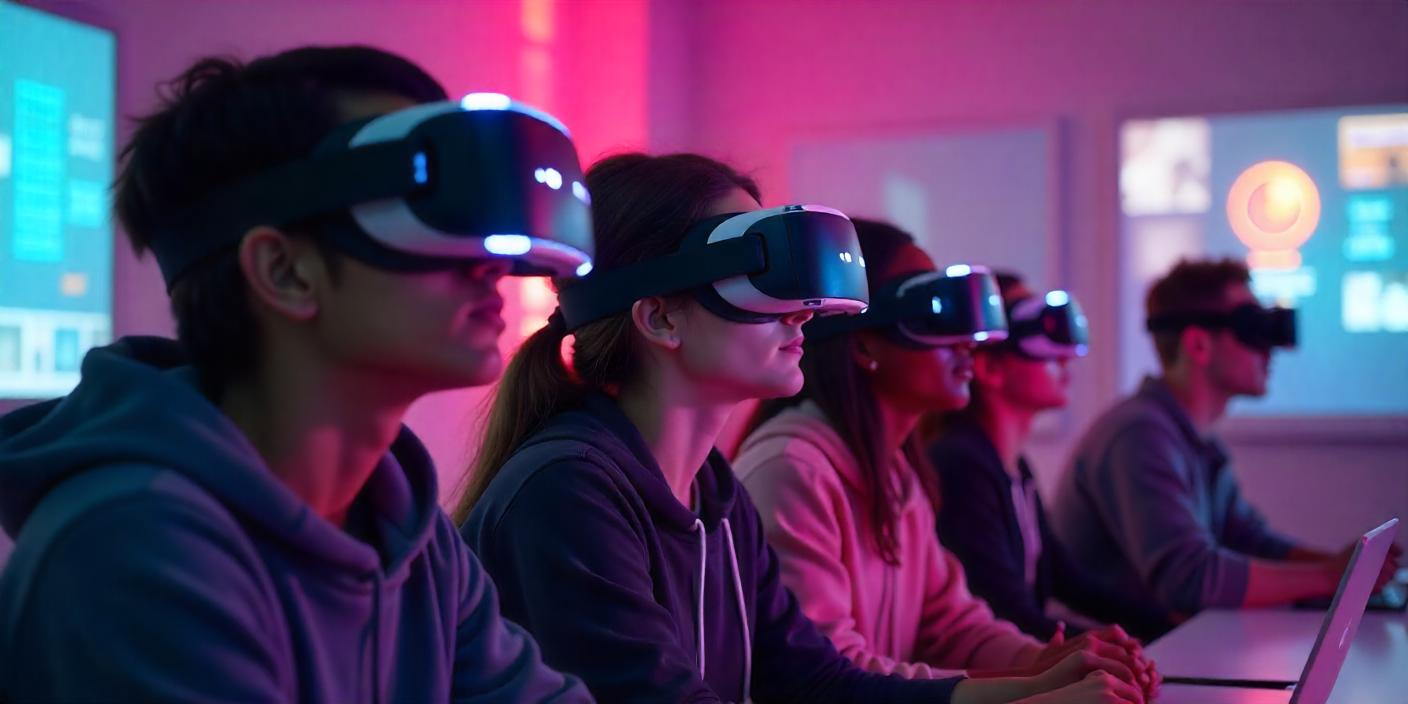
Virtual Reality (VR) is poised to make learning more immersive. Imagine exploring ancient civilizations or conducting science experiments in a virtual lab. VR can bring abstract concepts to life, enhancing understanding and retention.
Conclusion: Embracing the E-Learning Revolution
E-learning platforms are more than just a response to technological advancement—they're a testament to our adaptability and commitment to making education accessible, engaging, and effective. By embracing these tools, we're not just transforming education; we're empowering individuals to take control of their learning journeys.
Powered by Froala Editor

