
AI-Powered Tools Revolutionizing Daily Tasks
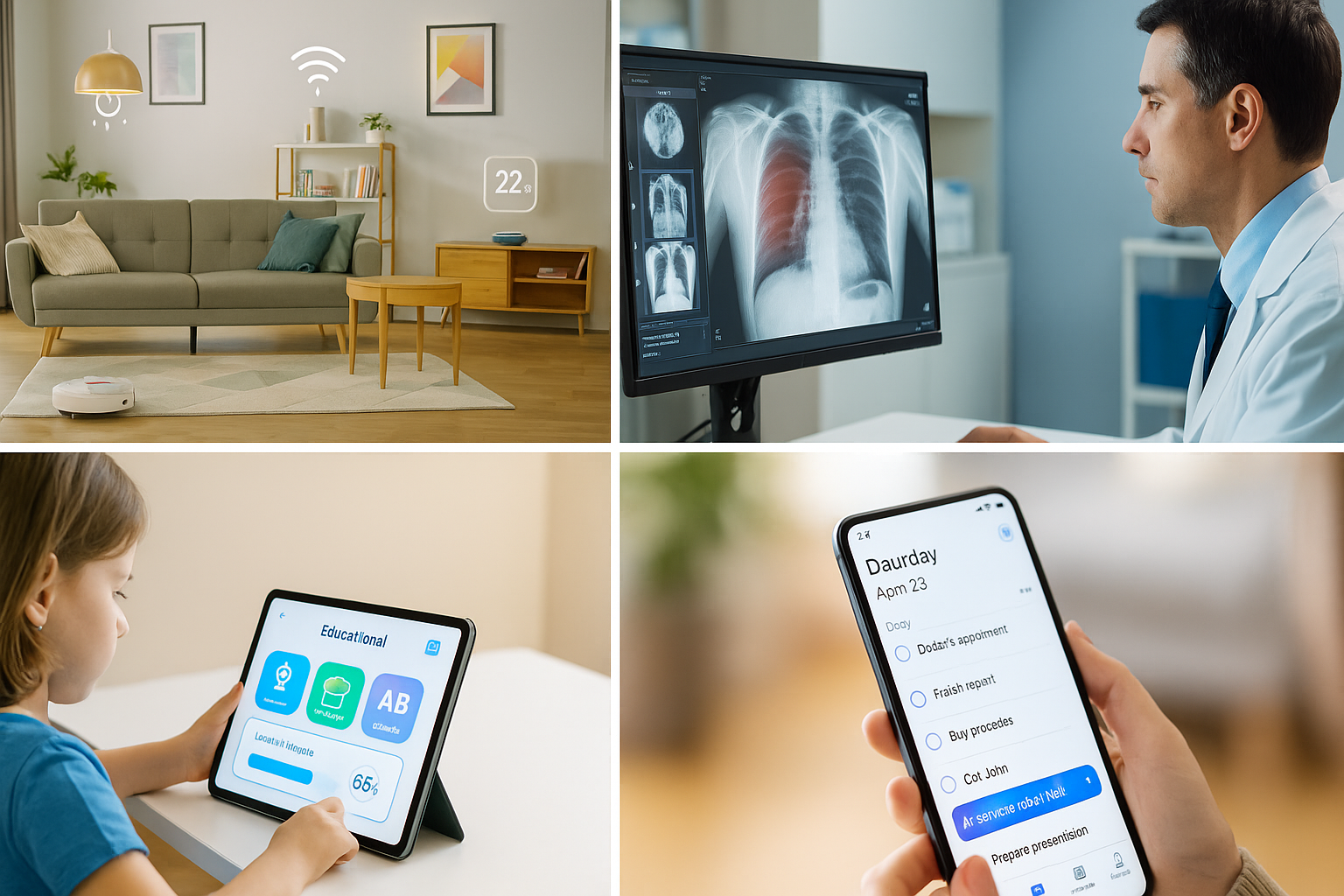
Artificial Intelligence isn’t just for tech geeks anymore — it’s your quiet assistant, making daily life smoother behind the scenes. Whether it’s waking you up with a smart alarm, helping you plan your day, or enhancing how students learn, AI is everywhere. This blog explores how AI tools are revolutionizing our routines across homes, offices, schools, and even hospitals. But the key? Using them responsibly while keeping the human spark alive.
Powered by Froala Editor
In 2025, Artificial Intelligence (AI) is no longer the buzzword of tomorrow — it's the helping hand of today. From brewing our morning coffee to reminding us of meetings, AI is now woven into the fabric of our everyday lives. What used to be futuristic now feels delightfully routine. But how exactly is AI reshaping the way we tackle daily tasks? Let's dive in.
The Rise of AI in Everyday Life
AI isn’t just for techies or sci-fi fans anymore. It's sitting on our kitchen counters, buzzing in our phones, and managing our emails — often without us even noticing. The explosion of smart devices and intelligent apps means we’re relying on AI more than we may care to admit.
Smart Homes: The New Normal
If you’ve ever walked into your house and told the lights to turn on — and they did — then you’ve experienced the quiet magic of AI.
Smart assistants like Alexa or Google Home can control everything from lights and thermostats to music and even robot vacuums. Want your curtains to open with the sunrise? Done. Forgot to lock your door on your way to work? Just ask your phone.
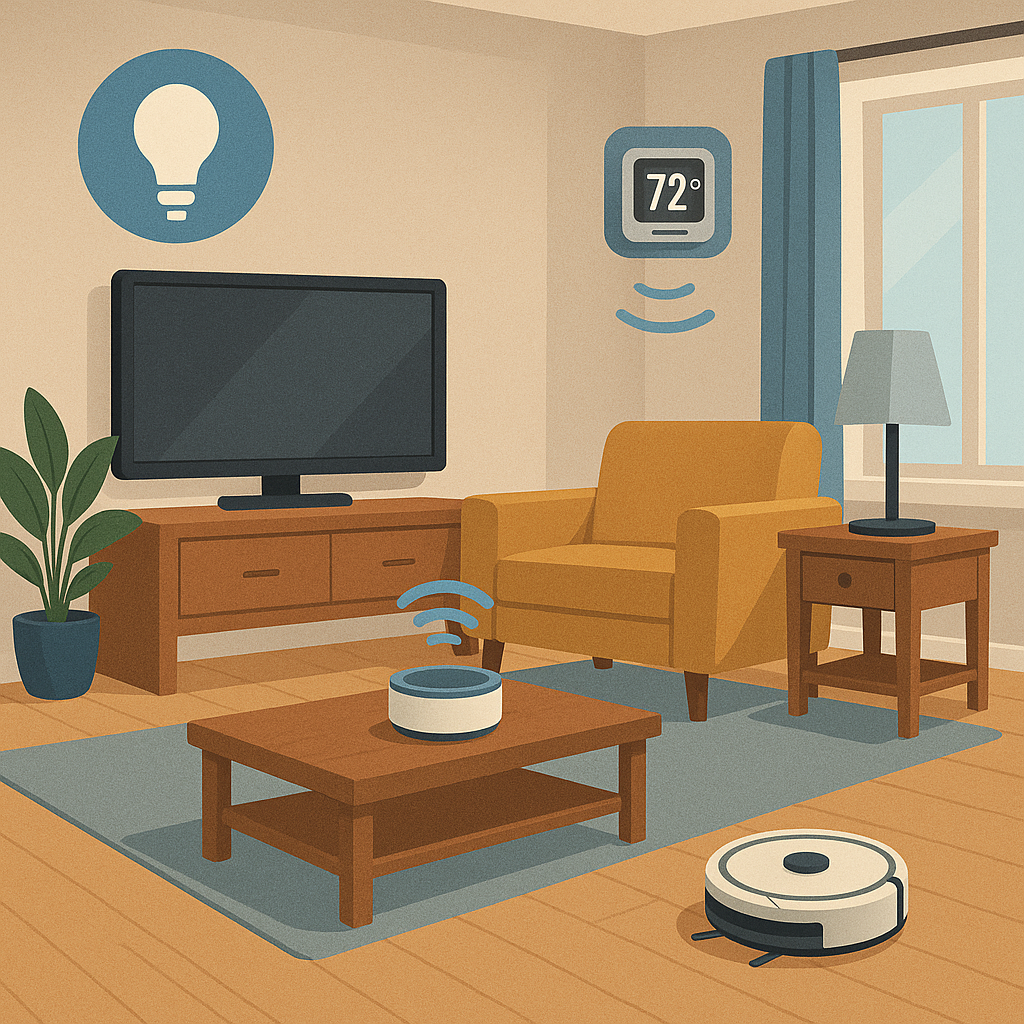
It’s not about laziness — it’s about efficiency. And let’s be honest, it feels a little luxurious too.
AI in the Workplace
Remember when creating a meeting agenda meant staring blankly at a Word doc for 20 minutes? Not anymore.
Tools like Notion, ClickUp, or Grammarly are supercharging productivity. They help draft documents, manage tasks, and clean up our emails faster than we ever could manually. Some even anticipate what we need before we realize it.

And for freelancers or remote teams, AI tools are the digital coworkers you didn’t know you needed, minus the awkward small talk.
Real-Life Applications of AI Tools
Let’s zoom in on some real-world examples that show just how deeply AI is embedded in our lives.
Education: Personalized Learning Experiences
Have you ever used a language learning app and wondered how it knew what words to focus on? That’s AI at play.
Apps like Duolingo adapt to your progress and gently nudge you toward areas where you're struggling. Even platforms for kids are doing this — customizing lessons in math, science, or reading so no two students have the same experience.
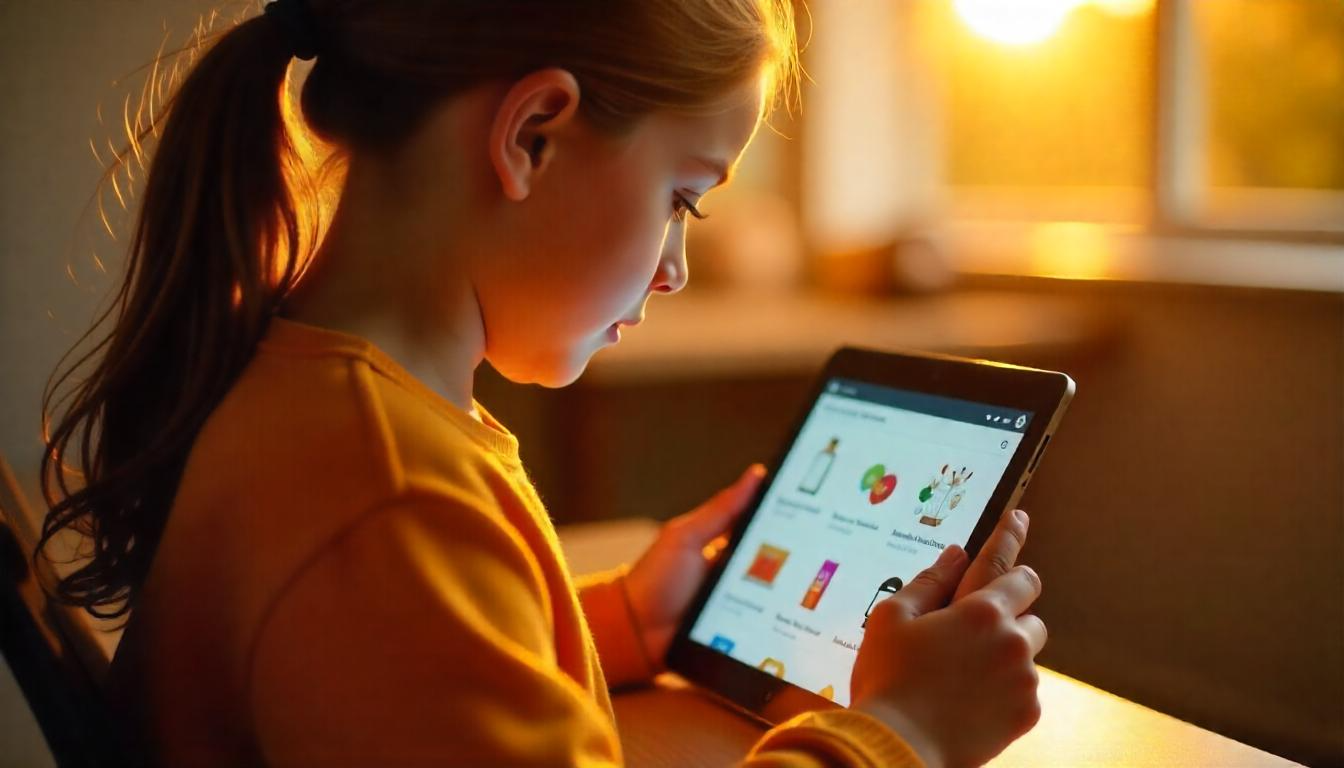
It's like having a personal tutor who’s always patient and never gets tired of explaining the Pythagorean theorem.
Healthcare: Improved Diagnostics and Patient Care
AI is also saving lives — literally.
Doctors now use AI to read X-rays, flag abnormalities in scans, and even predict diseases based on symptoms and historical data. It’s not replacing human doctors, but it's helping them catch things faster and treat patients more effectively.

Imagine AI as the second set of eyes, always watching for the small stuff that might otherwise be missed.
Daily Planning: Efficient Task Management
Between work, family, and a dozen little errands, keeping track of everything can feel overwhelming.
AI-powered planners like Any.do or Todoist help manage schedules, suggest optimal times for tasks, and even prioritize based on your behavior. Some apps even learn when you’re most productive and nudge you accordingly.

It’s like having a digital life coach — one that doesn’t charge by the hour.
The Human Touch in AI Integration
Here’s the catch: AI is impressive, but it’s not perfect. And it shouldn’t try to be.
We need to remember that AI is a tool, not a replacement for human connection or creativity. It can suggest words, but it can’t write a novel with your soul. It can schedule meetings, but it can’t lead them with empathy.
Embracing AI Responsibly
With great power comes… You know the drill.
AI should be used thoughtfully. Understand what it does well — and what it doesn’t. It’s amazing at repetitive tasks, pattern recognition, and crunching data. But it can’t replace common sense, compassion, or good judgment.

The real magic happens when humans and AI work together, not against each other.
Powered by Froala Editor
