
The Art of Storytelling in the Digital Age

Storytelling hasn't died in the digital age-it's simply evolved. From Instagram reels to podcasts, stories now travel faster and wider, reaching audiences in seconds. The real art lies in balancing authenticity with digital tools, emotion with information, and relevance with timeless human connection. Whether you're a creator, a brand, or just someone sharing your journey, storytelling is the bridge that turns noise into meaning. In today's world, your story is not just a message-it's your superpower.
Powered by Froala Editor
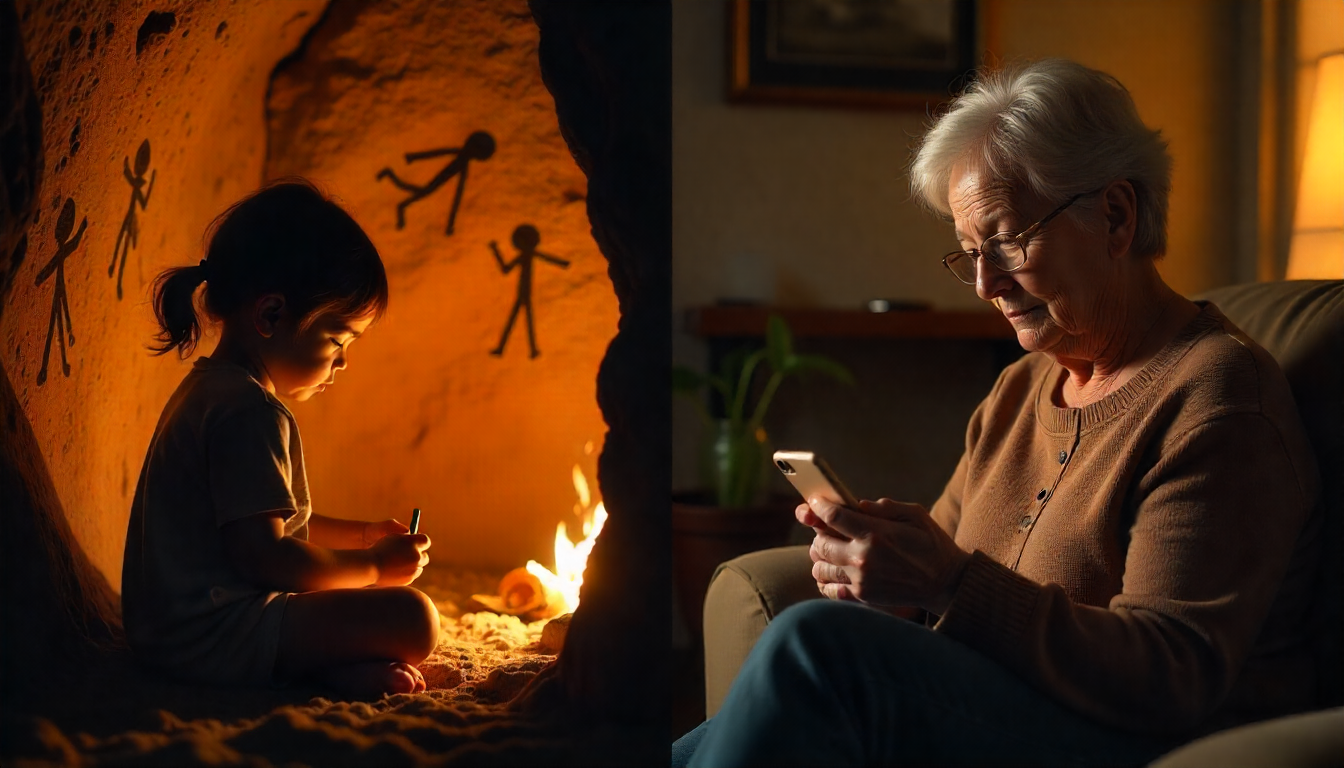
Storytelling has always been part of us. From cave paintings to bedtime tales, we've been telling stories long before we figured out the internet. But here's the thing-today, the way we share and consume stories has changed dramatically. In the digital age, storytelling isn't just about words on paper or a fireside chat. It's about Instagram reels, podcasts, long-form blogs, and sometimes, even a 15-second TikTok clip that manages to stir emotions.
So, what does it mean to be a storyteller today? And how do we keep the heart of storytelling alive in a world that moves faster than the Wi-Fi in a coffee shop?
Why Stories Still Matter (Even When Everything's Digital)
We scroll, we swipe, we binge. Our attention span may feel shorter than ever, yet stories still break through the noise. Why? Because stories touch something deeper than just the rational brain.
Think about the last viral campaign you came across. Maybe it was a brand video that made you laugh, or an Instagram post that made you pause. Chances are, it wasn't the flashy visuals alone-it was the story behind it.
Stories give meaning. A sneaker ad is just shoes until it tells the story of a kid chasing dreams on a dusty playground. Suddenly, it's not just footwear-it's ambition, resilience, and identity.
Storytelling Meets Technology
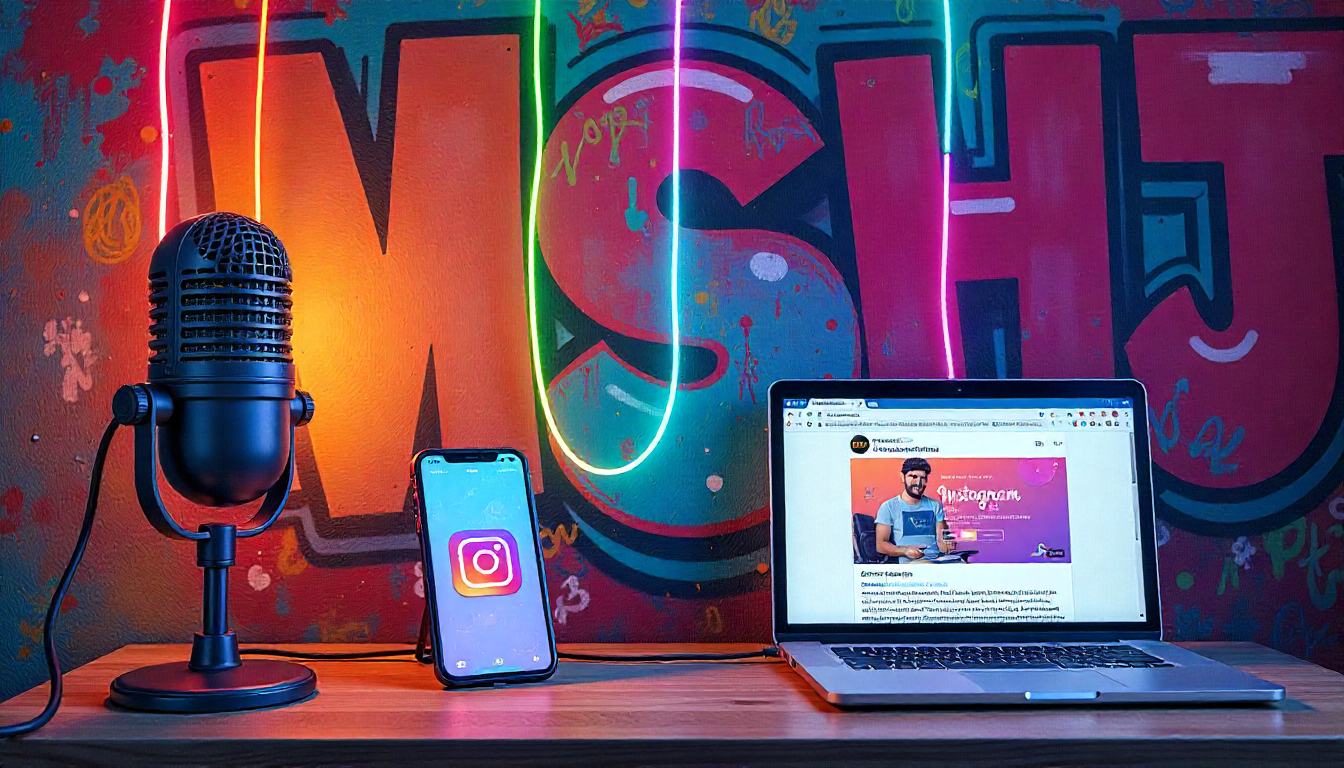
Digital platforms have given us an ocean of tools-sometimes too many. Writers, creators, and brands now have the chance to experiment with different mediums to tell the same story.
- Podcasts let you lean into voice, tone, and intimacy.
- Instagram stories and reels thrive on quick, emotional punches.
- Blogs and long-form articles give room for depth and nuance.
- Interactive media-think games or immersive websites-put the audience right into the story.
But here's the catch: technology amplifies, not replaces. The best digital stories still start with a core-an idea that feels human, relatable, and authentic.
The Human Touch in Digital Storytelling
Ever noticed how some YouTube videos or Twitter threads feel like they're talking to you, not at you? That's the human touch.
Authenticity Over Perfection
Audiences today can smell "manufactured" stories from a mile away. Overly polished brand messages often fall flat. On the other hand, a raw, shaky vlog of someone sharing their journey can get millions of views.
Emotion First, Logic Later
A viral campaign rarely begins with, "Here are the facts and figures." Instead, it usually starts with: "Meet Sarah, who overcame impossible odds…" Humans connect with humans, not data charts.
Personal Narratives
Writers who weave their own experiences into digital storytelling often resonate more. Take LinkedIn posts, for example. Stories of career failures, unexpected successes, or lessons learned are shared more often than generic motivational quotes.

Challenges in the Digital Age
Of course, it's not all smooth sailing. Digital storytelling comes with its fair share of hurdles:
Information Overload: With so much content out there, standing out feels like screaming in a stadium.
Short Attention Spans: You've got seconds to hook someone before they scroll away.
Authenticity vs. Virality: Sometimes creators face the dilemma of staying true to themselves versus creating content that the algorithm favors.
And yet, this is where the craft shines. The art of storytelling today is not about shouting louder but whispering something meaningful that cuts through the noise.

Tips to Master Storytelling in the Digital Age
So, how do we adapt as creators, writers, or even as brands?
1. Start With the Why
Don't just share content-share purpose. What's the reason behind your story? What emotion should it leave behind?
2. Keep It Platform-Smart
A great blog post might flop on TikTok, while a 20-second meme might not work in a long-form podcast. Tailor your story without losing its essence.
3. Show, Don't Just Tell
Instead of saying "Our product helps people save time," show someone reclaiming hours of their day to finally cook dinner with their kids.
4. Be Consistent but Flexible
Consistency builds trust. Flexibility keeps you relevant. A tricky balance, but worth it.
Storytelling as a Skill for Everyone
Here's the underrated truth: storytelling isn't just for writers, marketers, or filmmakers. It's for anyone. If you've ever written a heartfelt WhatsApp message, pitched an idea at work, or narrated an incident to friends-you've been storytelling.
In the digital age, this skill isn't optional; it's power. Whether you're an entrepreneur pitching investors, a student writing a blog, or even a job seeker trying to stand out on LinkedIn-your story is what makes you memorable.
And maybe that's the beauty of it all: despite the noise, despite the algorithms, stories still remind us we're human.

Related Reading
If you're fascinated by creativity and digital expression, you might also enjoy:
Powered by Froala Editor