
Mindfulness Practices for Modern Living
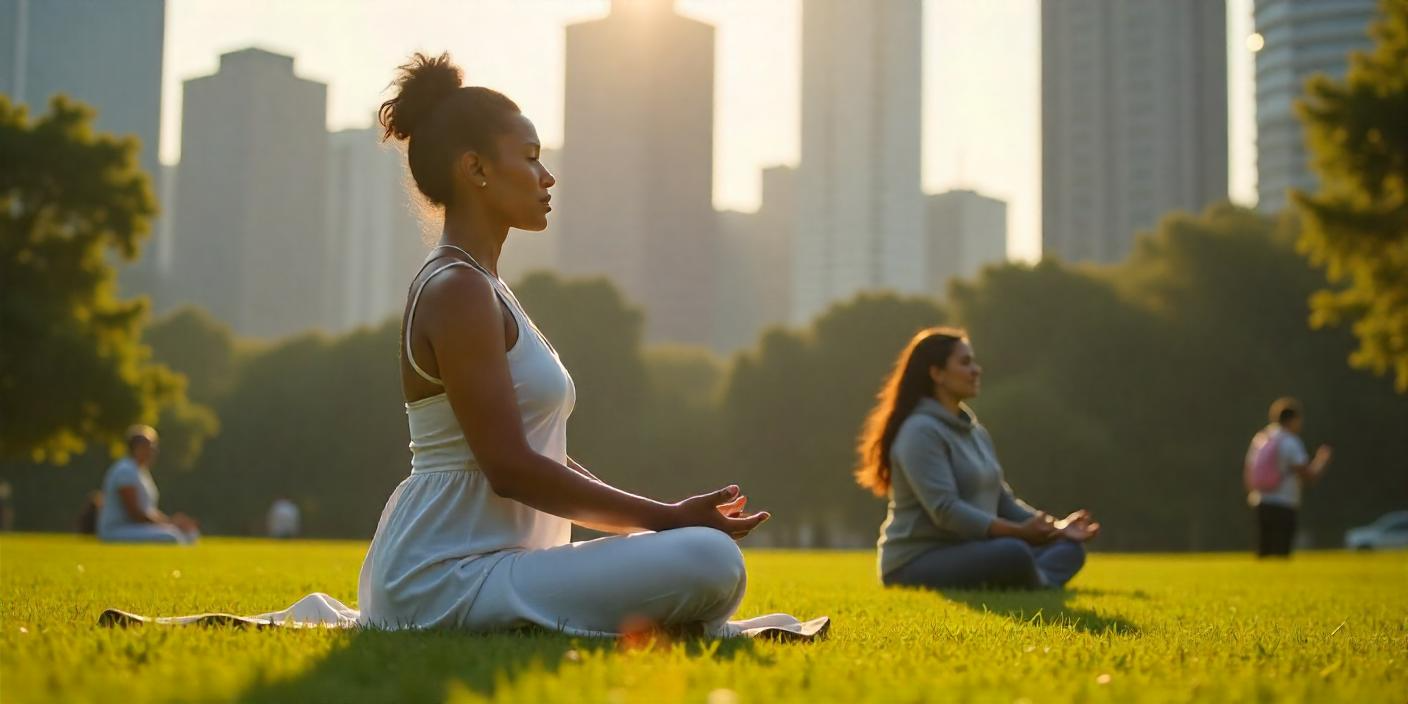
In today's fast-paced world, mindfulness offers a refuge—a way to anchor ourselves amidst chaos. This article delves into practical mindfulness practices suitable for modern living, from mindful breathing and eating to integrating mindfulness into work and daily routines. Real-life examples, like Hina Khan's journey, illustrate the transformative power of mindfulness. Whether you're a busy professional, a student, or someone seeking inner peace, these practices can guide you toward a more present and fulfilling life.
Powered by Froala Editor
Why Mindfulness Feels More Essential Than Ever
Let’s be honest—life today feels like a never-ending scroll. Between back-to-back meetings, social media pings, and the constant hum of “what’s next?”, our minds rarely get a break.
Even when we’re physically still, our thoughts are racing.
That’s why mindfulness isn’t just a wellness buzzword—it’s a lifeline. It’s the art of being fully present, even when the world is anything but.
But here’s the thing: mindfulness doesn’t require a mountain retreat or hours of silence. It can be woven into your daily routine, even in the middle of chaos.
Let’s explore how.
What Is Mindfulness?
Mindfulness is the practice of paying attention, on purpose, in the present moment, and without judgment. It’s about noticing your thoughts, feelings, and surroundings without getting swept away by them.
Think of it as tuning into your internal radio station. Instead of letting static noise dominate, you adjust the dial to hear the music.
Everyday Mindfulness: Simple Practices for Busy Lives
1. Mindful Breathing
Pause. Inhale deeply through your nose, feeling your lungs expand. Exhale slowly through your mouth.
This simple act can ground you, especially during stressful moments.
2. Mindful Eating
Put away your phone. Take a bite. Savor the flavors.
Eating mindfully can transform meals into moments of gratitude and awareness.
3. Mindful Walking
Whether you're strolling through a park or pacing in your office, focus on each step. Feel the ground beneath you. Notice the rhythm of your movement.
4. Mindful Listening
When someone speaks, truly listen. Resist the urge to formulate your response while they're talking.
This practice can deepen connections and reduce misunderstandings.
Integrating Mindfulness into Work
Workplaces can be breeding grounds for stress. But mindfulness can help.
Start Meetings with a Moment of Silence: This sets a calm tone and encourages presence.
Single-Tasking: Focus on one task at a time. Multitasking often leads to mistakes and increased stress.
Mindful Breaks: Step away from your desk. Stretch. Breathe. Even a five-minute pause can rejuvenate your mind.
Mindfulness Beyond Meditation
Not everyone resonates with traditional meditation. That’s okay.
Journaling: Writing down thoughts can provide clarity and release.
Art: Engaging in creative activities like drawing or painting can be meditative.
Music: Listening to music with full attention can be a form of mindfulness.
Real-Life Example: Hina Khan's Journey
Television actress and breast cancer survivor Hina Khan recently shared her transformative experience at the Art of Living Ashram.
She described the stay as a "soul awakening" journey that allowed her to reconnect deeply with her inner self and consciousness.
Emphasizing the benefits she received, she expressed her commitment to continue practicing breathwork daily, underscoring the positive impact it had on her well-being.
Mindfulness for All Ages
Mindfulness isn't just for adults. Children and teens can benefit too.
For Kids: Simple breathing exercises or mindful coloring can help them manage emotions.
For Teens: Practices like journaling or mindful walking can aid in navigating the challenges of adolescence.
Overcoming Common Challenges
"I don't have time."
Start with just one minute a day. Gradually increase as it becomes a habit.
"I can't stop my thoughts."
Mindfulness isn't about stopping thoughts but observing them without judgment.
"It feels silly."
New practices often feel unfamiliar. With consistency, they become second nature.
Conclusion: Embrace the Present
Mindfulness is a journey, not a destination. It's about returning to the present moment, again and again.
By integrating simple practices into daily life, we can navigate the complexities of modern living with greater ease and clarity.

Powered by Froala Editor