
Minimalist Living: Declutter Your Life

Feeling overwhelmed by clutter? Minimalist living might be your answer. This approach isn't about deprivation but intentionality—choosing what adds value and letting go of the rest. Start small, perhaps with a junk drawer, and gradually tackle larger areas. Embrace methods like the 30-day minimalism game or the one-in, one-out rule. Remember, it's a journey, not a destination. By decluttering your physical and digital spaces, you pave the way for a more peaceful, focused, and fulfilling life.
Powered by Froala Editor
When Less Becomes More
Ever feel like your stuff is quietly suffocating you? That your home, once a sanctuary, now resemble a storage unit? You're not alone. In today's world, where consumerism is king, many are discovering the liberating power of minimalist living.
Minimalism isn't about stark white walls and owning just one spoon. It's about intentionality—choosing what adds value and letting go of what doesn't. It's about reclaiming your space, time, and peace of mind.
The Weight of Clutter: More Than Just a Mess
Clutter isn't just physical; it's emotional and psychological. Studies have shown that clutter can increase stress levels and decrease productivity.
Imagine trying to focus in a room filled with piles of unsorted papers, unused gadgets, and clothes you haven't worn in years. It's like trying to meditate in the middle of a rock concert.
Starting Small: The First Step to Freedom
Embarking on a minimalist journey can be overwhelming. The key? Start small.
The Junk Drawer: A Microcosm of Chaos
That drawer filled with miscellaneous items—old batteries, expired coupons, random keys—is a perfect starting point. Clearing it out provides an immediate sense of accomplishment and sets the tone for larger projects.
The One-In, One-Out Rule
For every new item you bring into your home, let go of one. Bought a new shirt? Donate an old one. This simple rule curbs accumulation and encourages mindful consumption.
The Emotional Attachment: Letting Go with Grace
Parting with possessions can be emotionally taxing. That dress you wore to your cousin's wedding, the book gifted by a dear friend—these items hold memories.
The Gratitude Approach
Acknowledge the role an item played in your life. Thank it for its service, then let it go. This method, popularized by Marie Kondo, transforms decluttering into a respectful and reflective process.
Real-Life Transformations: Stories of Change
From Chaos to Clarity: Sarah's Journey
Sarah, a 35-year-old teacher, found herself overwhelmed by the sheer volume of items in her home. Starting with her wardrobe, she donated clothes she hadn't worn in years. The result? A streamlined closet and a newfound sense of clarity.
The 30-Day Minimalism Game
Inspired by Joshua Fields Millburn and Ryan Nicodemus, some adopt the 30-day minimalism game—eliminating one item on day one, two on day two, and so on. By day 30, you've removed 465 items, making a significant dent in clutter.
Minimalism Beyond the Home: A Lifestyle Shift
Minimalism isn't confined to physical spaces. It's a holistic approach to life.
Digital Decluttering
Our digital lives can be as cluttered as our homes. Unsubscribe from unnecessary emails, organize files, and limit time on social media. A tidy digital space can lead to a clearer mind.
Mindful Consumption
Before making a purchase, ask yourself: "Do I need this? Will it add value to my life?" This pause can prevent impulse buys and promote intentional living.
Embracing the Journey: It's Not About Perfection
Minimalism isn't a destination; it's a journey. There will be setbacks—impulse purchases, sentimental attachments—but that's okay. The goal is progress, not perfection.
Remember, every item you let go of creates space—not just in your home, but in your mind and life.
Conclusion: The Freedom of Less
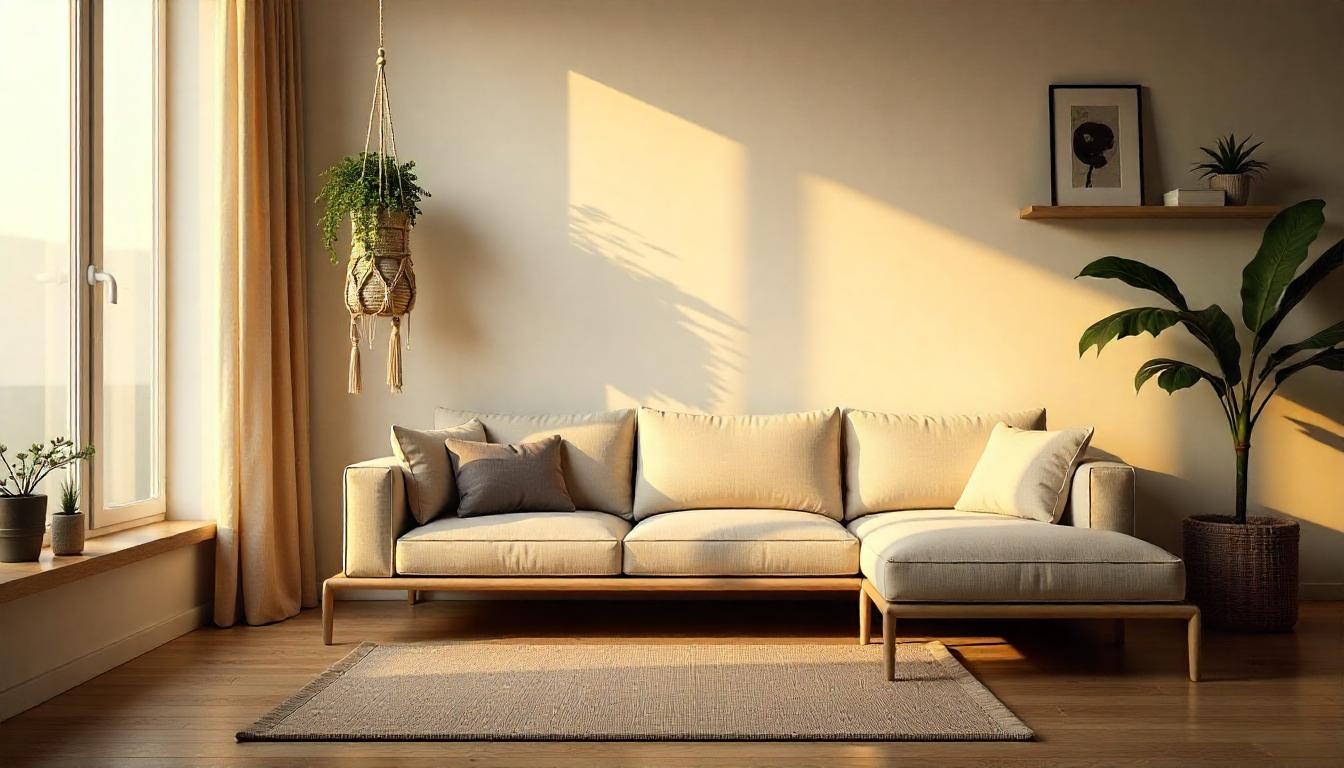
Minimalist living offers a path to freedom—freedom from clutter, stress, and the constant pursuit of more. By embracing less, we make room for what truly matters: relationships, experiences, and peace of mind.
Powered by Froala Editor