
Space Tourism: Are We There Yet?
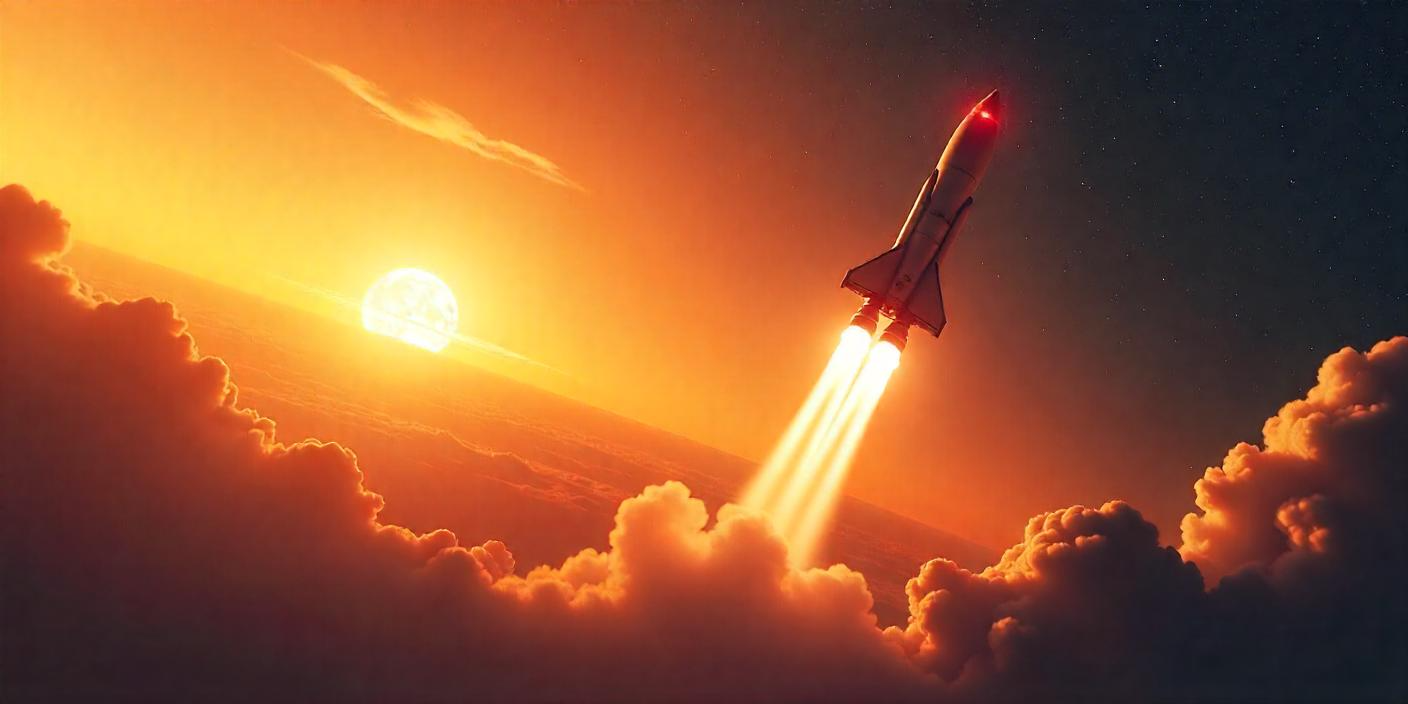
Space tourism has transitioned from science fiction to reality, with companies like Blue Origin and Space Perspective offering unique experiences for those who can afford them. While current costs are prohibitive for most, advancements in reusable technology and increased competition promise a future where space travel could become more accessible. As we stand on the cusp of this new frontier, the dream of venturing beyond our planet feels more attainable than ever.
Powered by Froala Editor
The Final Frontier, Now Boarding?
Not long ago, the idea of civilians venturing into space was confined to science fiction. Today, it's inching closer to reality. With companies like SpaceX, Blue Origin, and Virgin Galactic leading the charge, the dream of space tourism is no longer a distant fantasy. But how close are we to making this dream accessible to the average person?
A Glimpse into the Stars: Recent Milestones
Katy Perry's Cosmic Journey
In April 2025, pop icon Katy Perry joined an all-female crew on Blue Origin's New Shepard rocket, marking a significant moment in space tourism history. The 11-minute suborbital flight offered a brief experience of weightlessness and a view of Earth from the edge of space. While the mission garnered widespread attention, it also highlighted the exclusivity of such experiences, with ticket prices ranging from $200,000 to $28 million.
Luxury Among the Stars: Space Perspective's Balloon Flights
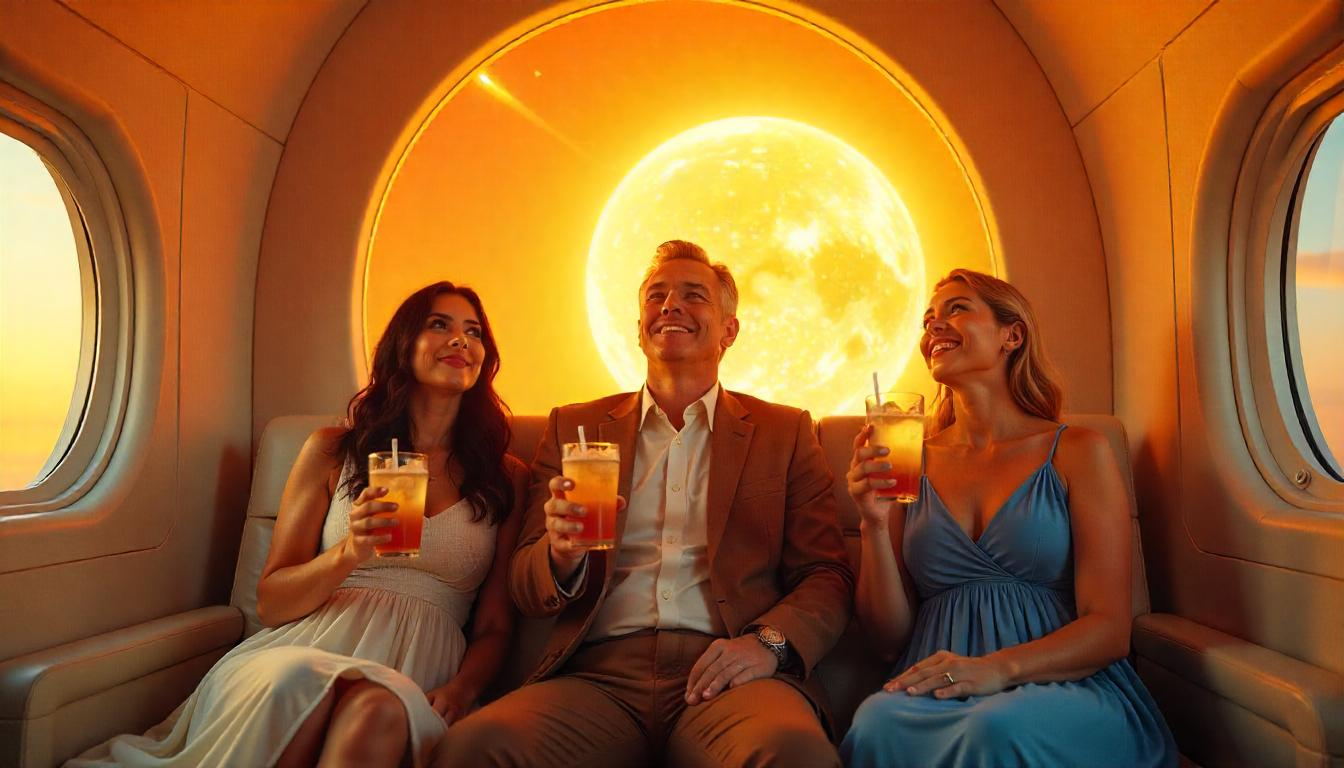
For those seeking a more leisurely ascent, Space Perspective offers high-altitude balloon flights reaching 100,000 feet. Passengers can enjoy a six-hour journey with panoramic views of Earth, all from the comfort of a pressurized capsule complete with a bar and restroom. At $125,000 per seat, it's a more affordable option compared to traditional rocket launches.
The Cost of Cosmic Adventure
While the idea of space tourism is captivating, the price tag remains a significant barrier. Here's a breakdown of current offerings:
| Provider | Type of Flight | Cost Per Seat | Duration |
|---|---|---|---|
| Virgin Galactic | Suborbital | $450,000 | ~90 minutes |
| Blue Origin | Suborbital | $200,000–$300,000 | ~10–15 minutes |
| SpaceX | Orbital | $55 million–$75 million | Several days |
| Axiom Space | ISS Mission | ~$55 million | 10–14 days |
| Space Perspective | High-altitude Balloon | $125,000 | ~6 hours |
These prices underscore the current exclusivity of space travel, catering primarily to the ultra-wealthy.
The Road Ahead: Making Space Accessible
Despite the hefty costs, there's optimism that space tourism will become more accessible in the future. Companies are investing in reusable technologies to reduce expenses. For instance, SpaceX's Starship aims to lower the cost of orbital flights to around $10 million per seat by 2030.
Moreover, Blue Origin's New Shepard is projected to carry hundreds of tourists annually by 2026, thanks to its reusable design and autonomous flight system.)
Cultural Impact and Public Perception
The involvement of celebrities in space missions has undoubtedly boosted public interest. However, it also raises questions about the commercialization of space and the potential for it to become a playground for the rich. Critics argue that such ventures prioritize spectacle over scientific advancement.
Yet, these high-profile missions also inspire a new generation to look up and dream big. They serve as a reminder of humanity's innate desire to explore and push boundaries.
Conclusion: Are We There Yet?
While significant strides have been made in space tourism, it's clear that we're still in the early stages. The experiences are exclusive, costly, and limited to a select few. However, with ongoing advancements and increased competition, the dream of making space accessible to the masses is on the horizon.
For now, we watch, wait, and wonder—knowing that each mission brings us one step closer to the stars.
Related Reads
Powered by Froala Editor