Renewable Energy Breakthroughs to Watch
In this conversational dive into cutting-edge renewable-energy breakthroughs, we explore innovations like invisible solar films, floating offshore wind farms, green hydrogen, next‑generation batteries, and biotech-powered fuels. With real‑world examples, human stories, and a friendly tone, the article highlights how these technologies aren’t sci‑fi—they’re here now. By integrating personal anecdotes and casual questions, it keeps things relatable, motivating you to see how daily life and global sustainability are intertwined—and why these strides matter to all of us.
Powered by Froala Editor
Ever catch yourself daydreaming about a world powered by endless renewable energy? Yeah, me too. But the good news is that the future is inching closer every day. Let’s walk through some of the freshest, most exciting breakthroughs making headlines—and your morning coffee more sustainable (well, almost).
1. Solar Tech That Feels Like Science Fiction
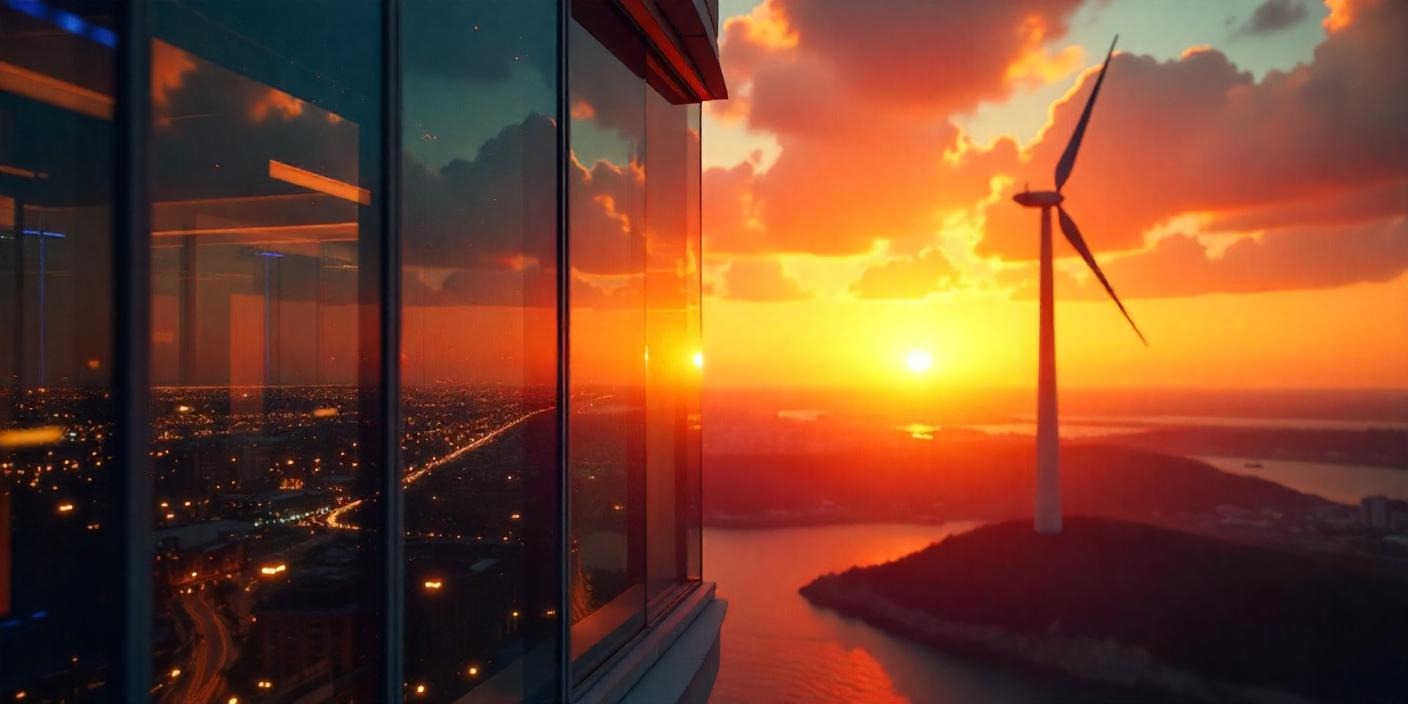
We’ve all seen rooftop panels—but what about ultra-thin, nearly invisible solar films? Researchers are now working on solar membranes that can be stuck onto windows or painted onto walls. Imagine your office powered by the sun, no clunky panels in sight!

I remember visiting a coworking space where the founder bragged, “Our windows generate half our electricity!” Plausible? Until recently, I’d have laughed. But technologies like transparent photovoltaics are making it real. When these scale, we’re looking at power generation blending seamlessly into daily life.
Why it matters
- Urban buildings can generate significant power without needing rooftops.
- This lowers visual impact and integrates smoothly with architecture.
- Scalable across cities, offices, and maybe even your favorite café’s windows.
2. Floating Wind Farms: Catching Breezes Out at Sea
Offshore wind isn’t new, but floating turbines? That’s next-level. They’re being deployed further out, in deeper waters where winds are stronger and more consistent. Take Europe’s Hywind project—floating turbines delivering reliable gigawatts to the grid.
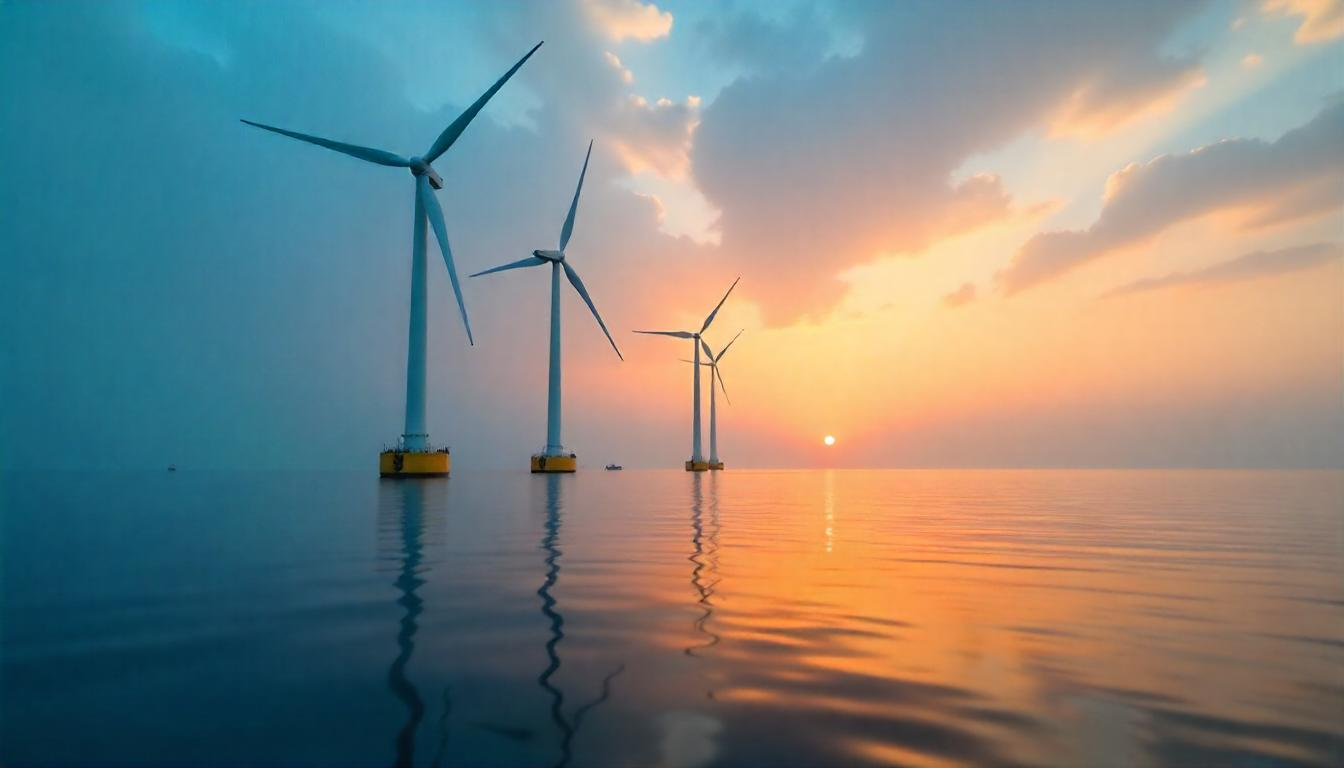
It’s like planting giant windmills in the ocean. Sure, the engineering is complex—anchors, cables, floating platforms—but hey, the payoff is big. Cleaner energy, lower costs over time, and less land use.
Real-world example
Hywind Scotland has been operational since 2017, and though costly at first, is now proving both durable and efficient. That’s proof-of-concept that floating farms aren’t just sci-fi—they’re a scalable reality.
3. Green Hydrogen: Fuel of the Future?
“Hydrogen!” you say. Yes—green hydrogen, to be precise. When produced using renewable energy instead of fossil fuels, it can decarbonize heavy industries like steel, shipping, and even aviation. Think of it as a clean fuel that doesn’t shy away from big, tough jobs.

In Australia, a pilot plant runs off solar farms, generating hydrogen for local transport. It’s new, it’s glitzy—but don’t underestimate its game-changing potential.
Challenges still looming
- Electrolyzer costs need to drop.
- Infrastructure like pipelines and storage tanks is just starting out.
- You need water—yes, that resource, but many pilot sites use brackish or seawater.
4. Energy Storage: Batteries and Beyond
Solar and wind are awesome, but they don’t always play nice with time. Nights, clouds, calms—these lull periods demand storage. Thanks to breakthroughs in battery chemistry and alternatives, we’re moving past good intentions into solid solutions.
Next-gen battery chemistry
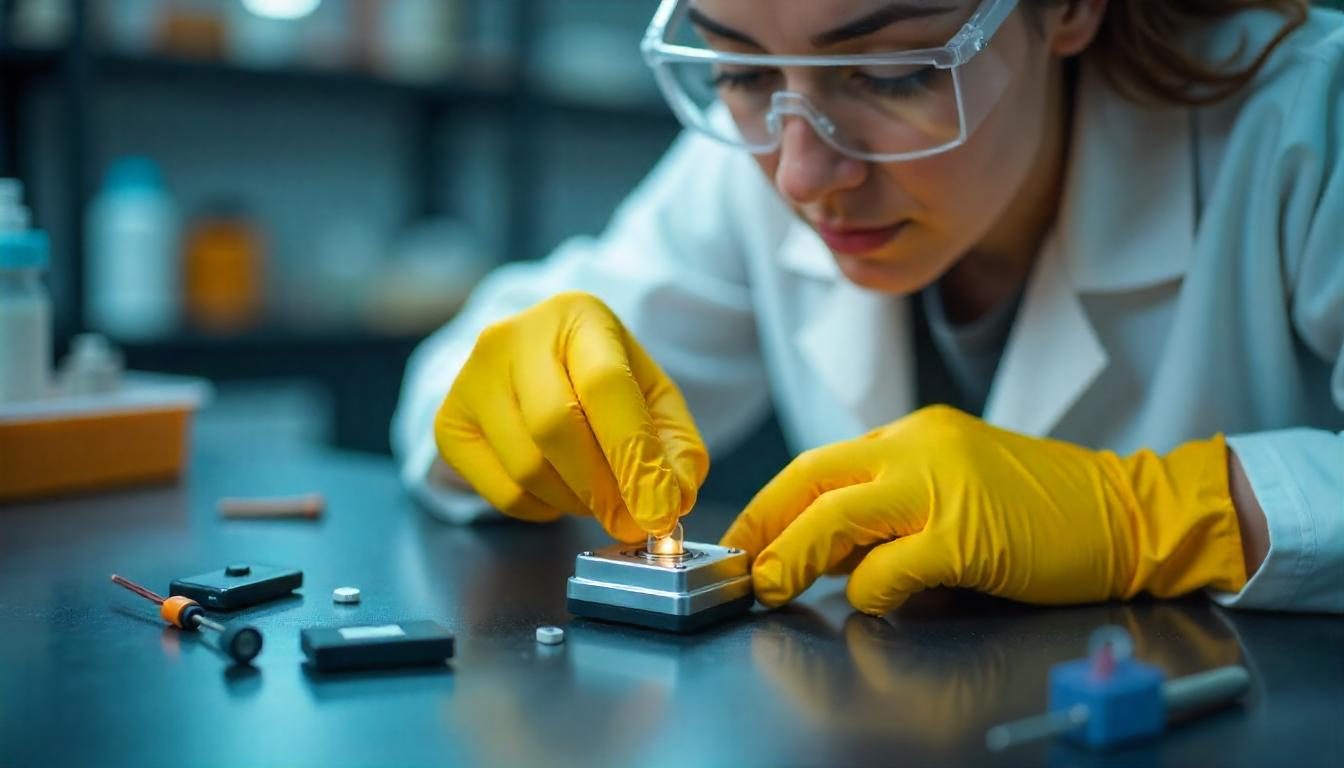
Lithium-ion has been the king, but solid-state and sodium-ion labs are emerging players. Solid‑state offers higher energy density and safety. Sodium-ion could slash costs by using abundant materials.
Thermal & mechanical storage: outside the box!
Molten salt, pumped heat, and even compressed air—these clever systems store energy at scale without batteries. Picture a cavern full of hot salt holding onto solar heat until a chilly evening, or turbines humming using stored air.
5. Biotech + Energy: Unlikely Bedfellows?
Here’s where things get wild. Science is exploring algae that convert sunlight into methane, or microbes that produce biofuels from CO₂ and waste. It’s like turning pond scum and trash into green juice—only more elegant.
[IMAGE: Laboratory petri dishes with green algal cultures bubbling gently under LED grow lights]
These aren’t mainstream yet—they feel like a shared dinner table chat with sci‑fi. But pilots are underway, and the potential is huge: waste-to-energy that’s clean, circular, and sometimes delicious-looking.
Interlinking: Connect The Dots
If you're excited by these innovations, you might also enjoy our recent look at AI‑powered tools revolutionizing daily tasks, many of which help monitor or optimize energy systems. Check it out here: AI‑Powered Tools Revolutionizing Daily Tasks.
6. What’s Really Coming Fast?
Ask any clean‑tech investor or engineer: right now, transparent solar, floating wind, and green hydrogen are moving fastest toward real‑world deployments. Storage improvements fuel everything else.
But here’s the human touch: I recently chatted with a technician installing a new floating turbine—you could feel his excitement. He described it as “planting hope in the ocean.” That’s real passion, and to me, that’s what fuels innovation more than any investor slide deck.
Why does this matter to you and me
At the end of the day, your next power bill, your neighborhood’s air quality, and how quickly we hit climate goals will come down to these breakthroughs. Every panel, turbine, or battery installed is incremental, but collectively? That’s movement.
Wrapping Up: Keeping an Eye on Tomorrow
I’m not saying we’ll have flying hydrogen buses by 2026—but what seemed impossible five years ago is unfolding right now. We’re in a golden age of clean‑tech creativity, with more human ingenuity than ever flowing into solar films, floating turbines, futuristic batteries, green hydrogen, and biotech fuels.
If you’re curious—and I hope you are!—watch these areas closely. And hey, next time you sip your coffee by a window, maybe it’s drawing power from the sun. Could your mug be part of the energy ecosystem? Alright, maybe not yet. But we’re getting there.
Powered by Froala Editor